Business Name: FootPrints Home Care
Address: 4811 Hardware Dr NE d1, Albuquerque, NM 87109
Phone: (505) 828-3918
FootPrints Home Care
FootPrints Home Care offers in-home senior care including assistance with activities of daily living, meal preparation and light housekeeping, companion care and more. We offer a no-charge in-home assessment to design care for the client to age in place. FootPrints offers senior home care in the greater Albuquerque region as well as the Santa Fe/Los Alamos area.
4811 Hardware Dr NE d1, Albuquerque, NM 87109
Business Hours
Monday thru Sunday: 24 Hours
Facebook: https://www.facebook.com/FootPrintsHomeCare/
Instagram: https://www.instagram.com/footprintshomecare/
LinkedIn: https://www.linkedin.com/company/footprints-home-care
Families hardly ever plan these decisions on a calm timeline. A fall, a brand-new medical diagnosis, an abrupt decrease in endurance, and everybody is at the kitchen area table with a calculator and a stack of brochures. The choice often lands on 2 paths: bring aid into your house, or transfer to a neighborhood that bundles support with housing. Both can work wonderfully, both can go wrong if misaligned with requirements and spending plan. The trick is comprehending the real costs beyond the heading price.
I have invested twenty years encouraging households, examining contracts, and strolling corridors in neighborhoods from budget-friendly to shop. Cost comparisons get unpleasant due to the fact that the services, staffing, and expectations differ by state, by firm, by building. Still, there are trusted varieties for 2025, and patterns that hold across markets. This guide lays out the dollars and the trade-offs: who takes advantage of home care, who flourishes in assisted living, where the covert costs prowl, and how to stretch resources without cutting corners on safety.
The short variation: what people really pay in 2025
National averages conceal the extremes. Rural areas tend to cost less, coastal cities more. For a practical spending plan, think in varieties and tie them to hours of aid, not just a month-to-month sticker.
For in-home senior care supplied by a licensed home care service, per hour rates in 2025 normally run 28 to 42 dollars for non-medical personal care and friendship. In high-cost cities such as San Francisco, Seattle, Boston, or New York, 40 to 50 dollars prevails, and premium firms with specialized dementia training may quote greater. Households normally start with 12 to 20 hours a week, which lands at approximately 1,400 to 3,400 dollars each month. When requires relocation beyond light assistance to daily hands-on help, costs rise quickly. Forty-four hours per week, a typical threshold for near-daily assistance, translates to the 5,000 to 7,500 dollar variety monthly. Live-in arrangements, where a senior caregiver sleeps on site and offers care during waking hours with breaks, usually expense 300 to 500 dollars each day depending upon overtime guidelines and market rates. Over night awake shifts include more.
For assisted living, base month-to-month rates in 2025 period about 4,000 to 7,000 dollars in numerous markets, with major-city neighborhoods typically at 6,500 to 9,500 and high-end models crossing 10,000. The base generally covers housing, energies, meals, housekeeping, activities, and limited supervision. Care fees sit on top, frequently in tiered levels or point systems. A resident requiring aid with two activities of daily living, state bathing and medication management, might pay 800 to 1,500 above base. Moderate to high care can press totals to 7,500 to 10,000 each month even in mid-market regions. Memory care units commonly include 1,200 to 2,500 beyond assisted living rates due to staffing ratios and programming.
There is no universal "cheaper path." Light needs tip toward in-home care. Bundled day-to-day care can make assisted living cost-effective. The crossover often takes place when home care hours surpass about 40 to 55 weekly, particularly if home modifications and intermittent skilled nursing are needed.
What the assisted living fee really buys
Stand in any well-run assisted living lobby at 7 a.m. and you will see the trade at work. Assistants begin early morning rounds, the dining-room team sets up breakfast, upkeep deals with a leaking faucet, the nurse verifies high blood pressure medications. The monthly cost is not just square video footage and food, it is a service ecosystem.
Base rent generally consists of a private or semi-private apartment, energies except phone, three day-to-day meals, snacks, weekly light housekeeping, laundry choices, transport for errands or visits on set days, social programs, and 24-hour staff on site. Staffing is not one-to-one; it is team-based coverage. If your mother presses the pendant at 2 a.m., someone shows up. She shares that aide with 10 or 20 homeowners, however the reaction exists. That has genuine value for families who live far away or stress over nighttime safety.
Care levels include expense. Each community uses its own rubric, but they frequently examine assistance with bathing, dressing, grooming, toileting, mobility, and medication. Dementia support draws a separate cost or specialized memory care positioning. A neighborhood may estimate a base of 5,600 and a care level of 1,200 for a resident with moderate needs. Include a second-person assist for transfers or frequent incontinence care, and the level can jump 800 to 1,500. 2 additional showers a week, quarter-hour billing for unscheduled aid, wound care gos to by an outside nurse, these line products compound.
The price likewise includes upkeep of the social fabric. For numerous older adults, solitude and lack of exercise do more damage than hypertension. Assisted living programs deliver group meals, crafts, workout classes, trips, praise services, clubs. Whether your parent participates is a separate concern. Some locals never leave their apartment or condo, which makes them poor fits for the assisted living value proposition. If engagement is unlikely, it may make more sense to direct funds towards focused individually in-home care.
What in-home care actually covers
In-home care refers to non-medical home care service designed to preserve day-to-day regimens and security in your home. A senior caregiver provides companionship, meal prep, light housekeeping, bathing support, medication suggestions, transportation, and guidance. The majority of agencies impose minimum shifts, frequently 3 to four hours per visit, to make scheduling useful. Great companies send skilled caretakers with backup coverage when the assigned individual is ill. Independent caregivers worked with straight cost less, frequently 20 to 30 dollars per hour in numerous markets, but you become the employer of record with tax, training, and protection responsibilities.
The strength of in-home senior care is customization. If your father just requires help with showers, laundry, and dinner 3 nights weekly, you can buy exactly that. If he has early dementia, you can include an early morning check-in for medication and a walking routine in the afternoons. You can scale up to short-term 24-hour coverage after a hospitalization, then scale down. For couples, particularly when one partner is independent, home care can support both with less disruptions than a move.
The space is overnight and emergency situation reaction. Most families can not sustain 24-hour awake care at home long-lasting. The cost and logistics pressure everyone. Live-in care helps some households, but labor rules require defined pause and separate sleeping quarters for the caretaker, and lots of homes are not set up for this. If your loved one wanders at night, has frequent falls, or requires two-person transfers, the home most likely requires several caregivers, equipment upgrades, and perhaps skilled nursing visits. Expenses can surpass assisted living quickly.
The covert line products people miss
Whether you keep somebody at home or move to assisted living, a handful of costs conceal in the margins. They are predictable once you know where to look.
Transportation to medical visits sounds easy until you add up motorist time and wait time. Agencies expense door-to-door. A two-hour consultation across town becomes a four-hour shift. Communities often supply transportation on limited schedules, however personal trips cost extra.
Supplies like incontinence products, gloves, wipes, and injury dressings are normally out-of-pocket. Expect 50 to 200 each month depending upon requirements. Families frequently undervalue this.
Medication management in assisted living carries fees. Some neighborhoods charge per med pass, others a flat monthly rate for nurse oversight. In-home care firms can advise and observe, however they can not legally administer in many states, which implies you may need visiting nurses for insulin or complex regimens.
Move-in and move-out costs apply to assisted living. One-time neighborhood fees of 1,500 to 5,000 prevail. Elevator bookings, furnishings delivery, and home set-up include tension and dollars. Downsizing and estate clear-out after a move involves haulers, appraisers, and in some cases months of sorting.
Home modifications can be modest or substantial. Get bars, handrails, lever manages, much better lighting, and elimination of trip threats typically amount to under 1,000. Stair lifts run 2,500 to 5,000. Ramp setup differs extensively. Bathroom remodels to produce a walk-in shower can run 8,000 to 20,000 depending upon pipes and tile. Some families spot with substitutes and after that renovate after a fall. Strategy when and do it right.
How need level changes the math
Think of needs in three bands, then map the finances.
Light assistance indicates aid with housekeeping, meal prep, shopping, trips, medication suggestions, and perhaps weekly showers. A retired teacher I dealt with utilized 12 hours a week of senior home care, scheduled as two-hour gos to most weekdays. Her regular monthly investment hovered around 1,500. She remained socially plugged in through church and a book club. Assisted living would have cost her three times more with no included benefit.
Moderate support consists of everyday bathing or dressing help, regular medication set-up, security supervision due to moderate cognitive impairment, and cueing for meals. A widower with Parkinson's operated well with 40 to 50 hours weekly split between early mornings and late afternoon. Include 300 per month for products and 150 for transportation, and his monthly invest landed near 6,000. A neighboring assisted living priced estimate 5,800 base and 1,200 care, total about 7,000, however included meals, social life, and overnight personnel. He chose home care since he enjoyed his garden and his next-door neighbors brought him happiness. The family revisits the plan every six months.
High support involves regular transfers, incontinence care, substantial fall danger, or mid-stage dementia with roaming. Home can still work if the environment fits, but the staffing design often requires 16 to 24 hr daily coverage or a live-in with a second caregiver filling gaps. Households quickly cross 12,000 monthly, often more. Assisted living or memory care may deliver better cost-to-coverage value, especially when night safety is the powerlessness at home.
The crossover is not purely monetary. Some people do not adapt to common dining and arranged life. Others flower when meals and friendship are a walk down the hall. Frame the decision around the person's personality, the home's layout, and the expected trajectory of disease. Dollars matter, but fit matters more.
The effect of geography and labor markets
Rates do not move in unison. I have seen a 20 percent swing within a single metro area based on caregiver supply, agency models, and neighborhood occupancy. In rural Sun Belt cities with brand-new building and strong competition, assisted living discount rates show up more often, including move-in rewards or temporary rent freezes. In high-cost coastal passages, home care earnings drive hourly rates up since caretakers can make similar cash in hospitality or retail without the physical demands of care work.
Rural locations sometimes offer low-cost senior home care through regional firms with deep community ties. The restriction is workforce depth. If 2 caregivers call out or if your parent requires a short-notice shift, coverage can stop working. For assisted living, rural markets might have less choices and longer waitlists, though base rates can be friendlier.
Always collect 3 comparable quotes for in-home care and visit at least three assisted living communities. Pricing transparency differs, and one conversation rarely reveals all the fees.
Who pays what: insurance coverage and advantages in 2025
Medicare does not cover non-medical in-home care or assisted living rent. That sentence overthrows many first-time research study efforts. Medicare covers knowledgeable services like home health nursing, physical therapy, and restricted assistant visits connected to skilled strategies, but not continuous custodial care.

Long-term care insurance coverage is the workhorse when present. Policies differ extensively. Lots of will reimburse for in-home care if the individual requires help with 2 activities of daily living or has a certifying cognitive problems. A lot of need a licensed home care firm. Payments typically vary from 100 to 250 dollars per day with elimination durations of 30 to 90 days. Assisted living is typically covered once the advantage trigger is met. Review the policy's daily or regular monthly cap, life time maximum, and inflation rider. Families waste months by submitting incomplete documentation. Designate one person to claim management.
Veterans advantages assist particular eligible veterans and making it through spouses by means of Aid and Participation. In 2025, regular monthly tax-free advantages peak around the low to mid 2,000 s for veterans and lower for spouses, based on earnings and property limits with medical cost deductions. These funds can balance out either home care or assisted living. The application process is document-heavy. Partner with a recognized VSO or elder law attorney to avoid delays.
Medicaid varies by state. Waiver programs can fund in-home look after those who qualify economically and clinically, often with waitlists. Medicaid might cover assisted living in chosen states through state plans or waivers, typically at participating neighborhoods with a minimal number of slots. Expect trade-offs in space option and features. If Medicaid is likely in the future, ask communities about spend-down policies and whether residents can stay after conversion.
For property owners, a reverse home loan line of credit can bridge gaps for in-home care when the strategy is to age in place. It requires careful analysis of costs, interest accrual, and long-lasting objectives. Do not use a reverse home loan to money a short-term assisted living stay unless recommended by a financial planner who comprehends eldercare timelines and tax impacts.
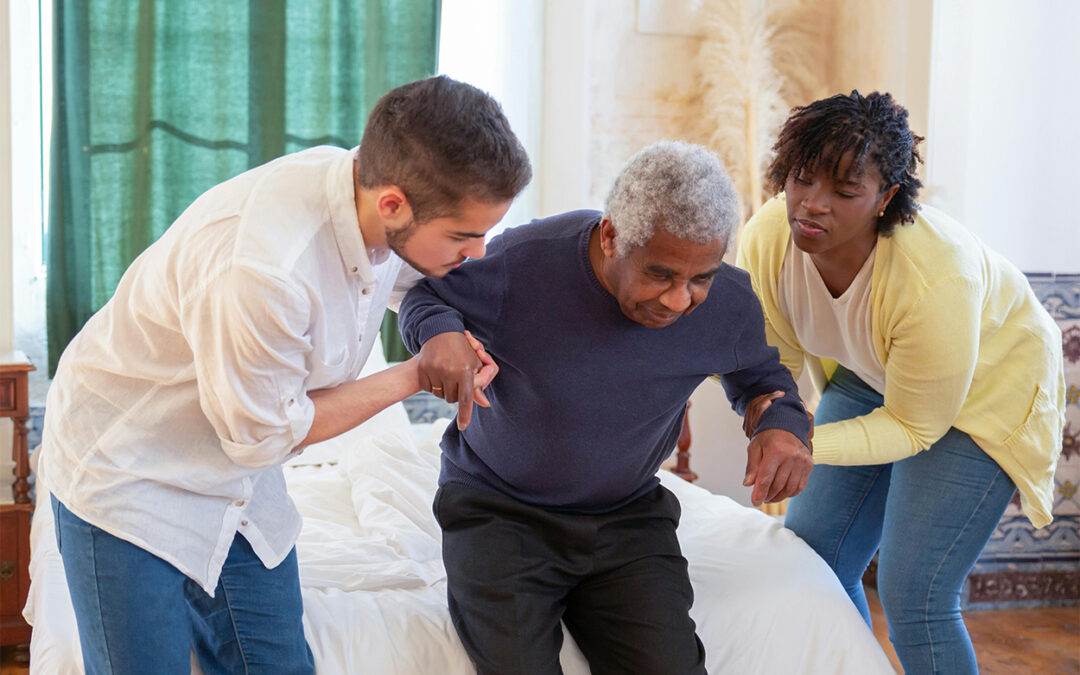

Quality differs more than rate signals suggest
Higher cost does not guarantee better care. I have seen budget communities deliver excellent outcomes because of stable management and strong frontline teams. I have actually likewise seen glossy lobbies mask understaffing and high turnover. For in-home care, the firm's training design and scheduling discipline matter more than site polish. For assisted living, leadership longevity and staff-to-resident ratios on overnight shifts tell you more than the chandelier.
Visit unannounced after 7 p.m. Listen for call bells. Ask caregivers for how long they have actually worked there. Ask a firm who manages protection when a caretaker cancels at 6 a.m. Request recommendations from existing customers. These are easy checks that forecast your day-to-day experience better than a brochure.
Making the math visible
Spreadsheets assist when feelings run high. Build a month-by-month forecast for the next 18 months. Include finest case and conservative case. For home care, write down weekly hours by time of day, multiply by the priced quote rate, and add supplies, transport, and a reserve for last-minute add-on shifts. For assisted living, list base rent, care level price quote, medication management, and move-in charges amortized over a realistic stay. Add inflation presumptions. Labor expenses normally increase 3 to 6 percent every year, much faster in tight markets.
One family I advised in 2015 compared a 6,800 base assisted coping with expected 1,600 in care charges to a home strategy of 56 hours weekly at 36 dollars per hour plus 200 in materials and 200 in transportation. Their home strategy came to about 8,400. Assisted living estimated 8,400 too, but the home plan avoided a 3,000 move-in fee and enabled them to phase up hours gradually. They selected to stay home for six months and then review. Six months later on, a fall tied to nighttime bathroom trips required the problem. They moved with eyes open and no regret, because the numbers and danger factors were transparent from day one.
When staying home is the best value
If the home is safe, the social assistances are robust, and requirements are foreseeable and light to moderate, in-home care wins. Elderly home care can protect routines, pets, and neighborhood connections that keep a person grounded. Couples often benefit economically since one set of home costs covers two people, and you can target aid to the spouse who requires it. For isolated older grownups who do not like group settings, a familiar living-room may be the difference between compliance and refusal.
The key is discipline. Set regular reassessments. Understand that needs hardly ever remain flat. Budget plan for adding a few hours a week every few months. Keep a backup plan for sudden increases, consisting of the name of a respite-friendly assisted living that can take a short stay if household caretakers burn out or surgical treatment disrupts coverage.
When assisted living provides you more for the money
If supervision is required around the clock, if nights threaten, or if social isolation is hurting psychological health, assisted living often provides better value. The rate may look higher on paper, but it packages emergency reaction, meals, and programmed social time that in-home care can not replicate hour-for-hour without massive staffing. People with mild to moderate dementia regularly stabilize in memory care due to foreseeable regimens, protected outside space, and staff trained in redirection.
Families who live far likewise acquire comfort. You can not set up a midnight crisis. Knowing home care there is staff present at all hours alters the tension equation for adult kids trying to keep jobs and raise teenagers while coordinating senior care.
Common contract traps and how to avoid them
Two sections of assisted living agreements should have close reading. Initially, care level reassessment stipulations. Understand how and when your loved one can be bumped to a greater level and what notification is required. Spending plan for a boost after the first one month, when the neighborhood gets a real picture of requirements. Second, refund policies on community costs and deposits. Some are nonrefundable after move-in. Others prorate.
For in-home care, look for minimum weekly commitments, vacation premiums, and overtime definitions. Agencies may need shifts of at least 4 hours, charge time-and-a-half for specific holidays, and count weekly hours by caregiver rather than household, which impacts overtime triggers. Clarify who provides gloves and protective devices. Request consistency of caregivers and a plan for continuity if your preferred senior caretaker goes on leave.
Stretching dollars without deteriorating safety
Small functional choices can conserve significant cash over a year. Cluster visits on one day to minimize transport hours. Train household or neighbors to cover a weekly grocery run or a standing lunch to decrease companion hours. Usage automated medication dispensers to minimize suggestion visits if appropriate. At home, buy prevention: a bright nightlight in the course to the restroom, non-slip rugs, and a shower chair cost far less than a single ER visit.
In assisted living, request a care plan that encourages independence where safe. If your mother can manage dressing with set-up assistance rather than full assistance, she keeps dignity and you might remain in a lower care level. Participate in care conferences. Be respectful and particular. Teams respond well to households who collaborate.
Two quick contrasts that help households decide
- If your predicted weekly home care hours balance under 30 and the home is safe with small modifications, in-home care is normally more economical and more personalized. If nighttime safety is a constant worry, and the plan needs more than 12 hours of everyday protection or regular two-person helps, assisted living or memory care frequently delivers more value per dollar.
A practical course forward
I consider this as a series of six-week experiments. Pick the path that fits today, step outcomes, and change. If you begin with in-home care, set clear goals: less falls, less missed meds, enhanced appetite, decreased caregiver pressure. If the goals are not met, boost hours or change suppliers. If you move to assisted living, visit at different times of day, discover staff names, and look for changes in state of mind and hygiene. The ideal setting will appear in peaceful ways: much better sleep, casual smiles at breakfast, fewer frantic phone calls.
Senior care choices are emotional, monetary, and deeply personal. There is nobody proper answer, only the right fit for a person in a season of life. When you remove away the marketing and focus on needs, dangers, and numbers, the decision gets clearer. Use the expense varies as a frame, then position your loved one in the image with their practices, their home, and their hopes. Whether you generate a relied on home care service or select an assisted living neighborhood with strong management, you can build a plan that appreciates both security and self.
FootPrints Home Care is a Home Care Agency
FootPrints Home Care provides In-Home Care Services
FootPrints Home Care serves Seniors and Adults Requiring Assistance
FootPrints Home Care offers Companionship Care
FootPrints Home Care offers Personal Care Support
FootPrints Home Care provides In-Home Alzheimer’s and Dementia Care
FootPrints Home Care focuses on Maintaining Client Independence at Home
FootPrints Home Care employs Professional Caregivers
FootPrints Home Care operates in Albuquerque, NM
FootPrints Home Care prioritizes Customized Care Plans for Each Client
FootPrints Home Care provides 24-Hour In-Home Support
FootPrints Home Care assists with Activities of Daily Living (ADLs)
FootPrints Home Care supports Medication Reminders and Monitoring
FootPrints Home Care delivers Respite Care for Family Caregivers
FootPrints Home Care ensures Safety and Comfort Within the Home
FootPrints Home Care coordinates with Family Members and Healthcare Providers
FootPrints Home Care offers Housekeeping and Homemaker Services
FootPrints Home Care specializes in Non-Medical Care for Aging Adults
FootPrints Home Care maintains Flexible Scheduling and Care Plan Options
FootPrints Home Care is guided by Faith-Based Principles of Compassion and Service
FootPrints Home Care has a phone number of (505) 828-3918
FootPrints Home Care has an address of 4811 Hardware Dr NE d1, Albuquerque, NM 87109
FootPrints Home Care has a website https://footprintshomecare.com/
FootPrints Home Care has Google Maps listing https://maps.app.goo.gl/QobiEduAt9WFiA4e6
FootPrints Home Care has Facebook page https://www.facebook.com/FootPrintsHomeCare/
FootPrints Home Care has Instagram https://www.instagram.com/footprintshomecare/
FootPrints Home Care has LinkedIn https://www.linkedin.com/company/footprints-home-care
FootPrints Home Care won Top Work Places 2023-2024
FootPrints Home Care earned Best of Home Care 2025
FootPrints Home Care won Best Places to Work 2019
People Also Ask about FootPrints Home Care
What services does FootPrints Home Care provide?
FootPrints Home Care offers non-medical, in-home support for seniors and adults who wish to remain independent at home. Services include companionship, personal care, mobility assistance, housekeeping, meal preparation, respite care, dementia care, and help with activities of daily living (ADLs). Care plans are personalized to match each client’s needs, preferences, and daily routines.
How does FootPrints Home Care create personalized care plans?
Each care plan begins with a free in-home assessment, where FootPrints Home Care evaluates the client’s physical needs, home environment, routines, and family goals. From there, a customized plan is created covering daily tasks, safety considerations, caregiver scheduling, and long-term wellness needs. Plans are reviewed regularly and adjusted as care needs change.
Are your caregivers trained and background-checked?
Yes. All FootPrints Home Care caregivers undergo extensive background checks, reference verification, and professional screening before being hired. Caregivers are trained in senior support, dementia care techniques, communication, safety practices, and hands-on care. Ongoing training ensures that clients receive safe, compassionate, and professional support.
Can FootPrints Home Care provide care for clients with Alzheimer’s or dementia?
Absolutely. FootPrints Home Care offers specialized Alzheimer’s and dementia care designed to support cognitive changes, reduce anxiety, maintain routines, and create a safe home environment. Caregivers are trained in memory-care best practices, redirection techniques, communication strategies, and behavior support.
What areas does FootPrints Home Care serve?
FootPrints Home Care proudly serves Albuquerque New Mexico and surrounding communities, offering dependable, local in-home care to seniors and adults in need of extra daily support. If you’re unsure whether your home is within the service area, FootPrints Home Care can confirm coverage and help arrange the right care solution.
Where is FootPrints Home Care located?
FootPrints Home Care is conveniently located at 4811 Hardware Dr NE d1, Albuquerque, NM 87109. You can easily find directions on Google Maps or call at (505) 828-3918 24-hoursa day, Monday through Sunday
How can I contact FootPrints Home Care?
You can contact FootPrints Home Care by phone at: (505) 828-3918, visit their website at https://footprintshomecare.com, or connect on social media via Facebook, Instagram & LinkedIn
A ride on the Sandia Peak Tramway or a scenic drive into the Sandia Mountains can be a refreshing, accessible outdoor adventure for seniors receiving care at home.