Business Name: FootPrints Home Care
Address: 4811 Hardware Dr NE d1, Albuquerque, NM 87109
Phone: (505) 828-3918
FootPrints Home Care
FootPrints Home Care offers in-home senior care including assistance with activities of daily living, meal preparation and light housekeeping, companion care and more. We offer a no-charge in-home assessment to design care for the client to age in place. FootPrints offers senior home care in the greater Albuquerque region as well as the Santa Fe/Los Alamos area.
4811 Hardware Dr NE d1, Albuquerque, NM 87109
Business Hours
Monday thru Sunday: 24 Hours
Facebook: https://www.facebook.com/FootPrintsHomeCare/
Instagram: https://www.instagram.com/footprintshomecare/
LinkedIn: https://www.linkedin.com/company/footprints-home-care
Families typically do not wake up one early morning and decide in between home care service and assisted living over coffee. The option builds over months, sometimes years, as small changes begin to accumulate. A missed medication here, a small fall there, meals getting easier and less regular, laundry piling up. If you're weighing in-home care against a transfer to a neighborhood, you're not simply purchasing services. You're asking what sort of life your moms and dad or partner can still enjoy, what you can manage, and how you'll handle the surprises that undoubtedly come with aging.
I have actually sat at plenty of cooking area tables for these discussions. The very best answers look beyond fast contrasts and get into the specifics of somebody's day. The genuine question isn't which option is "much better." It's which option fits the person's requirements, choices, and budget today, and which prepare leaves room for changes later.
What modifications trigger the decision
Sometimes the decision follows an occasion, like a hospitalization after a fall or an infection. Regularly it's a pattern you can't neglect. A daughter notices her mom's fridge has actually ended food, or a next-door neighbor calls since the pet hasn't been walked. Warning are subtle initially, then obvious: medications skipped, unexplained contusions, unopened mail, bills overdue, confusion about consultations, anxiety after dark.
When you see those signs, take a breath. Before you think about agreements or trips, spend a week tracking what the individual in fact requires assist with. Count minutes, not assumptions. Does it take 20 minutes or 90 to shower safely? The length of time to prep a meal, then clean up? Exist hands-on tasks, like transfers from bed to chair, or primarily cueing and companionship? Little details, like whether somebody wakes several times during the night, can alter the entire calculus of home care versus assisted living.
The core difference in between home care and assisted living
At its easiest: in-home senior care brings assistance to the individual where they live, while assisted living supplies an apartment or suite with integrated support services. Both objective to preserve dignity and self-reliance. They simply organize the scaffolding differently.
Senior home care, also called a home care service or private-duty care, concentrates on non-medical help. A senior caretaker can assist with bathing, dressing, toileting, strolling, meals, light housekeeping, errands, and companionship. Some companies also provide specialized dementia care or post-hospital assistance. Care is billed by the hour, usually with a daily or weekly minimum.
Assisted living integrates housing, meals, housekeeping, social activities, and on-site staff who can help with personal care. Lots of communities utilize a tiered pricing model: base rent plus a care level depending upon how much hands-on assistance somebody needs. Memory care is typically housed in a different, safe location with higher staffing and added structure.
Both settings differ widely in quality and cost. That's not an evade, it's the truthful reality. A strong company with a constant caregiver can seem like a lifeline. A thoughtful assisted living neighborhood with attentive personnel can feel like a safety net and an area rolled into one. The reverse is likewise true.
Costs you can really utilize for planning
You'll see national averages for pricing, however they hide local realities. In many metro areas, hourly rates for in-home care run from the mid 20s to the mid 40s per hour depending upon the marketplace, agency, and abilities needed. 4 hours each day, 5 days per week, at 30 dollars per hour exercises to about 2,400 to 2,600 dollars per month. Bump that to 8 hours a day, 7 days weekly, and you're at 6,700 to 8,400 dollars. Twenty-four-hour care with turning caretakers frequently exceeds the cost of assisted living, and real live-in arrangements have different rules and pricing.
Assisted living is typically priced monthly. In lots of regions, base rates range from 3,000 to 7,000 dollars per month. Care levels add to that. If somebody requires help with multiple activities of daily living, the overall can land between 4,500 and 8,500 dollars, in some cases more in high-cost cities or in memory care systems. There can be one-time community costs, normally a couple of thousand dollars. Medication management may bring additional charges. Short-stay respite rates are typically greater per day.
So which is more cost-effective? It depends less on the sticker and more on the care pattern. An individual who requires two hours in the early morning and an hour in the evening might spend far less for elderly home care than for a neighborhood home. However if nights are uneasy or aid is needed across 10 or more hours per day, a well-matched assisted living can provide more predictable assistance at a lower overall cost.
A day-in-the-life comparison
Picture Mary, 82, who has arthritis, mild memory loss, and moves slowly however gradually. She wants to stay in the house she's lived in for 45 years. Her child lives 40 minutes away and goes to on weekends. Mary requires help bathing twice a week, getting compression socks on each early morning, preparing breakfast and one hot meal, handling medications, and keeping your home fairly neat. She sleeps through the night, and she enjoys her afternoon television shows and a crossword.
For Mary, in-home care fits nicely. A caretaker comes four mornings a week for 3 hours: morning health, breakfast and lunch preparation, medication setup, plus laundry on one day and a light tidy another. A second brief shift twice a week covers showering. Mary spends for 14 hours each week. She keeps her routines, her garden, her neighbors. The daughter's weekends are for checking out, not scrubbing floorings. Budget-wise, this is frequently significantly below the regular monthly rate for assisted living.
Now think about Leon, 87, who has actually progressed Alzheimer's. He roams. He's up multiple times during the night and gets agitated in the late afternoon. He requires constant cueing for toileting and security. His partner is 83 and has a bad back. They tried bringing in a senior caretaker for six-hour chunks, but the afternoons remain tough, and nights are tiring for his better half. To cover the true need at home, they 'd require caretakers across the afternoon, night, and part of the night, with a 2nd caregiver for some transfers. The month-to-month figure begins to competing high-end assisted living, and the tension on his other half stays high during uncovered hours. In an excellent memory care system, Leon has actually structured days, secured doors, calming activities, and staff present all the time, which safeguards both spouses' health and finances.
The "hidden" costs and hidden savings
Both choices carry costs that do not appear on a rate sheet. Home care frequently needs home modifications or devices. Installing grab bars, a 2nd stair rail, enhanced lighting, a handheld shower head, and non-slip flooring isn't extreme but builds up. More considerable changes, like a roll-in shower or a stair lift, raise the preliminary investment. Groceries, utility expenses, real estate tax, repair work, and yardwork continue. If member of the family fill spaces, their time and missed work days have an expense too, even if it never gets printed on an invoice.
Assisted living packages many of those costs. Meals, weekly housekeeping, laundry, and activities are included. Transportation to regional visits might be used on specific days. A 24-hour staff presence supplies genuine worth when needs fluctuate. That said, moving costs money and energy. Scaling down furniture, selling a home or paying ongoing rent, and buying brand-new linens, TVs, or cable television service develop a one-time flurry of expenditures and a wave of decisions that can be emotionally taxing.
One peaceful savings with in-home senior care: when care needs are light and predictable, you manage the schedule. If the individual goes to adult day programs two times a week, you can cut paid hours. If a neighbor delivers a hot dinner every Friday, you can minimize meal-prep time. Versatility equates to financial effectiveness, but it requires coordination and consistency.
Safety, self-respect, and the reality of risk
Risk tolerance differs from household to household. Some focus on security above all. Others are willing to accept affordable risk to maintain self-reliance and identity. Home care can offer tailored regimens and the comfort of familiar environments, which frequently minimizes agitation and confusion for those with early dementia. Yet home layouts can be unforgiving: narrow bathrooms, slippery tubs, throw carpets, steps at entries. A fall isn't simply a scare, it can derail everything.
Assisted living lowers some threats. Showers are usually designed for accessibility. Pull cords, individual emergency situation action systems, and regular staff presence reduce reaction times. Still, staff are not at the elbow every minute. If somebody requires one-on-one attention for prolonged periods, either care expenses rise within the community or a private caretaker supplements, which surprises families who anticipated "complete."
From experience, the sweet area is matching environment to the most frequent threat. If the main danger is not being watched night roaming, a memory care neighborhood tightens up that risk one of the most. If the huge threat is daytime falls during transfers and bathing, and the person sleeps comfortably during the night, a targeted home care schedule may be much safer than a move, particularly if the restroom is remodeled for accessibility.
Social life and the human factor
People don't grow on security alone. They need function, familiar rhythms, and a bit of pleasure. In your home, social life needs deliberate effort. Without it, isolation sneaks in. I've seen elders go days with only a TV for company except for a caretaker's quick visit. On the other hand, I've likewise seen home regimens where the mail provider talks, the neighbor visits with tomatoes, and the senior caretaker is practically extended family. Some clients teach their caretaker a family dish or garden together on Tuesdays. That kind of continual, individual connection is tough to rate. It's genuine and it matters.
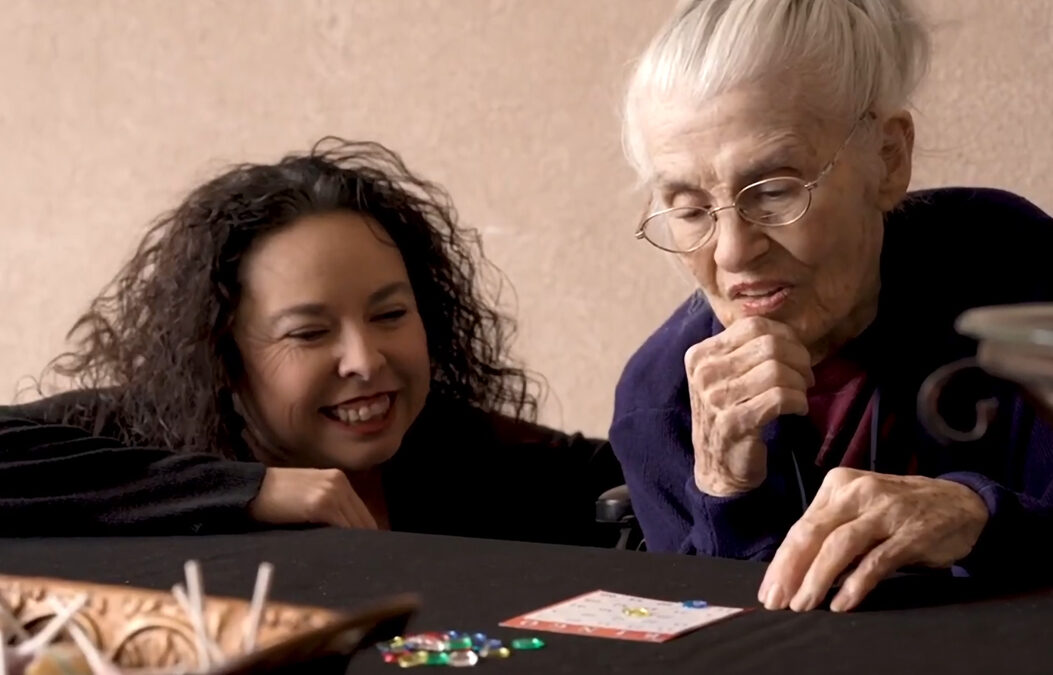
Assisted living builds social opportunity into the day: coffee meetups, exercise classes, music hours, bingo, restaurant-style dining. For extroverts or those who have actually lost their neighborhood network, the impact is dramatic. I have actually watched homeowners who barely ate at home put on weight, stabilize their mood, and gain back a sense of regular because lunch has a time and a table of regulars. The caution is in shape. If somebody dislikes group activities or if the neighborhood's culture doesn't resonate, the social pledge ends up being background noise. Visit at mealtime and during activities to evaluate the feel.
Staff consistency and care quality
In-home care offers you the possibility to construct a consistent relationship with a caregiver. Continuity is a huge advantage for seniors with cognitive changes. Nevertheless, firms manage staffing, sick days, and turnover. Ask how they manage call-outs and whether you can meet backups ahead of time. Clarify training for dementia, transfers, and infection control. If you employ privately rather than through a firm, you manage choice and expense but handle payroll, taxes, backups, and liability. Households frequently undervalue that workload.
Assisted living staff rotate, and care is delivered by whoever is on shift. That can mean less consistency, but it also suggests you're not rushing when someone is ill. The key quality concerns shift to staffing ratios, training, call-bell reaction times, and how the neighborhood deals with habits, falls, and health center transitions. Follow a cart down a hall at a calm time and at a busy time, and you'll learn a lot.
Health complexity and what happens when needs increase
Many individuals start with home care and relocate to assisted living or memory care later. Others invest years in a community, then generate additional assistance as requirements grow out of the included services. There's no single right sequence.
If health is steady and needs are mostly predictable, elderly home care provides the most tailored experience and control over expense. If health is unpredictable, with regular infections, hospitalizations, or behavior changes, a neighborhood setting with 24-hour oversight frequently prevents crises from turning into emergency situations. What matters is whether the current setup can soak up two or three bad days without collapsing. Ask yourself, if the person gets the flu, has a bout of delirium, or loses strength after a fall, does the present plan bend or break?
A little note on medical care: standard in-home care and assisted living supply non-medical assistance. Skilled nursing, wound care, and IV treatments are different services, often brought in through home health or delivered in higher-acuity centers. Don't presume an assisted living can manage intricate medical requirements without added services, and don't presume home care can cover knowledgeable tasks unless specifically arranged.
The emotional piece families rarely budget for
Care choices carry sorrow, guilt, and old household characteristics. The moms and dad might have strong feelings about staying home. Adult kids might have various views, formed by how much hands-on aid they can offer. It's common for brother or sisters to disagree about threat or budget plan. Calling these undercurrents helps. I typically suggest one short family conference focused on the individual's worths, then a second on logistics. Values first keeps the choice aligned with the life the individual in fact wants.
An easy values exercise helps when options are close. Ask the person: What parts of your day matter most? Which losses feel undesirable, and which compromises feel bearable? Oversleeping your own bed might outrank having actually meals prepared in a dining room. Or the opposite. This isn't abstract. It guides real decisions, like spending for a caretaker to help with a treasured morning regimen instead of pushing a relocation exclusively since it seems "easier."

Paying for care without hindering the future
Most in-home care and assisted living costs are personal pay. Long-term care insurance coverage can help if the policy is active and the advantage triggers are met, generally based on requiring assist with at least 2 activities of daily living or having cognitive impairment. Veterans and surviving partners may get approved for a pension supplement, frequently called Aid and Attendance, which can offset a part of month-to-month expenses. Medicaid programs vary commonly by state; some offer home- and community-based services waivers or coverage for certain assisted living expenses, frequently with waitlists and income or property limits.
Practical budgeting actions matter. Clarify month-to-month earnings from Social Security, pensions, and investments. List current home expenditures that will continue or disappear with each choice. Represent the sensible variety of care hours needed, not the bare minimum. Remember transportation, supplies, incontinence items, and medications. Prepare for increases. Care needs rarely stay flat over a year.
How to check the waters without committing too soon
You do not need to decide once and for all. Attempt a pilot. Start with a minimal home care schedule and a clearly defined strategy: early morning assistance 4 days a week for 3 weeks, then reassess. Keep notes on what works and what does not. If the strategy fails by midweek, that's useful information. Change senior home care hours, jobs, or caregiver fit.
On the assisted living side, lots of communities offer respite stays from a week to a month. Treat it as a trial. See if sleep improves, if appetite returns, if mood supports. Ask personnel for their observations, not simply your own impressions during gos to. A short stay clarifies whether the environment matches the individual's rhythms.
When assisted living is the safer bet
The line in between preserving independence and courting threat looks different for each family, however there are some patterns where a relocation typically serves the person better:
- Regular night roaming or frequent nighttime requirements that would require more than one caregiver or would exhaust a partner at home. Repeated falls, especially with injuries, in a home that can't be fairly modified for safety. Escalating dementia habits like exit seeking, paranoia, or rejection of care that gain from consistent, team-based techniques and protected environments.
These aren't guidelines, just strong signals. If 2 or 3 are present, home care quickly becomes either extremely expensive, really piecemeal, or very difficult for the family.
When home care stays the much better fit
Home stays perfect when the individual's requirements are fairly light, their environment is safe or can be made so without major restoration, and they obtain everyday convenience from familiar surroundings and regimens. Someone who delights in slow early mornings with a newspaper, who sleeps well, and who needs help mainly with bathing, tasks, and meals will typically love a constant senior caregiver. For individuals with sensory sensitivities or stress and anxiety in group settings, the calm of home beats the bustle of a community. It can likewise be the gentler choice for a spouse who wants to remain together without bring the whole care burden.
Making either path work better
Whatever you pick, the details identify success. If you choose in-home care, construct a care plan that respects the individual's habits. Place medications where they'll naturally be taken. Connect care tasks to existing routines rather than enforcing a brand-new schedule. Purchase little security upgrades that prevent typical mishaps: brighter corridor bulbs, a walker basket so hands stay free, a durable shower chair. Develop a simple note pad or app log so household and caregiver can coordinate.
If you choose assisted living, supporter during the first month. Share the individual's life story and everyday preferences with personnel, not just medical history. Visit at different times of day to see how the rhythm feels. Observe how quickly call lights are addressed and whether staff understand locals by name. If something isn't working, raise it early, and give it two weeks to change. Lots of bumps ravel when staff learn the individual's routines.

The hybrid, frequently ignored path
A relocation doesn't end the conversation, and staying at home does not lock you into a single design. Numerous households mix options. An individual may participate in adult day programs three days a week, with home care on 2 early mornings and family covering weekends. In assisted living, households often generate a senior caregiver for two hours throughout the harder times of day, typically late afternoon, to relieve shifts and minimize sundowning anxiety. This targeted assistance keeps costs manageable while improving quality of life.
Two quick tools for clarity
You can get lost in what-ifs. Bring it back to two grounded tools.
- A care map of the week. Sketch Monday to Sunday and mark every hour that requires protection, including nights. Then name or services next to each block. The empty blocks and double-booked stretches inform you where stress will reveal up. A 90-day horizon. Ask what's more than likely to change over the next three months. A prepared surgical treatment, a seasonal depression pattern, a daughter's short-lived travel, a winter season fall danger. Plan for that specific horizon, not forever, then revisit.
A last word on self-respect and control
The objective isn't to extend dollars at the expense of wellness, or to buy every service in sight. It's to match assistance to the individual so their great hours stay excellent, and their difficult hours do not swallow the day. When you focus on the reality of needs, the worths of the person, and the pressure points in the schedule, the decision between home care service and assisted living gets clearer. It may still be hard. That's normal. The right option is the one that leaves the individual safer and more themselves, and leaves the household able to sustain the care without burning out.
If you are still in between choices, try a small experiment next week. One shorter home care shift at the time of day that feels hardest, and one assisted living tour throughout a mealtime. Enjoy, listen, and bear in mind. The much better course often reveals itself in the information you only see when reality is happening.
FootPrints Home Care is a Home Care Agency
FootPrints Home Care provides In-Home Care Services
FootPrints Home Care serves Seniors and Adults Requiring Assistance
FootPrints Home Care offers Companionship Care
FootPrints Home Care offers Personal Care Support
FootPrints Home Care provides In-Home Alzheimer’s and Dementia Care
FootPrints Home Care focuses on Maintaining Client Independence at Home
FootPrints Home Care employs Professional Caregivers
FootPrints Home Care operates in Albuquerque, NM
FootPrints Home Care prioritizes Customized Care Plans for Each Client
FootPrints Home Care provides 24-Hour In-Home Support
FootPrints Home Care assists with Activities of Daily Living (ADLs)
FootPrints Home Care supports Medication Reminders and Monitoring
FootPrints Home Care delivers Respite Care for Family Caregivers
FootPrints Home Care ensures Safety and Comfort Within the Home
FootPrints Home Care coordinates with Family Members and Healthcare Providers
FootPrints Home Care offers Housekeeping and Homemaker Services
FootPrints Home Care specializes in Non-Medical Care for Aging Adults
FootPrints Home Care maintains Flexible Scheduling and Care Plan Options
FootPrints Home Care is guided by Faith-Based Principles of Compassion and Service
FootPrints Home Care has a phone number of (505) 828-3918
FootPrints Home Care has an address of 4811 Hardware Dr NE d1, Albuquerque, NM 87109
FootPrints Home Care has a website https://footprintshomecare.com/
FootPrints Home Care has Google Maps listing https://maps.app.goo.gl/QobiEduAt9WFiA4e6
FootPrints Home Care has Facebook page https://www.facebook.com/FootPrintsHomeCare/
FootPrints Home Care has Instagram https://www.instagram.com/footprintshomecare/
FootPrints Home Care has LinkedIn https://www.linkedin.com/company/footprints-home-care
FootPrints Home Care won Top Work Places 2023-2024
FootPrints Home Care earned Best of Home Care 2025
FootPrints Home Care won Best Places to Work 2019
People Also Ask about FootPrints Home Care
What services does FootPrints Home Care provide?
FootPrints Home Care offers non-medical, in-home support for seniors and adults who wish to remain independent at home. Services include companionship, personal care, mobility assistance, housekeeping, meal preparation, respite care, dementia care, and help with activities of daily living (ADLs). Care plans are personalized to match each client’s needs, preferences, and daily routines.
How does FootPrints Home Care create personalized care plans?
Each care plan begins with a free in-home assessment, where FootPrints Home Care evaluates the client’s physical needs, home environment, routines, and family goals. From there, a customized plan is created covering daily tasks, safety considerations, caregiver scheduling, and long-term wellness needs. Plans are reviewed regularly and adjusted as care needs change.
Are your caregivers trained and background-checked?
Yes. All FootPrints Home Care caregivers undergo extensive background checks, reference verification, and professional screening before being hired. Caregivers are trained in senior support, dementia care techniques, communication, safety practices, and hands-on care. Ongoing training ensures that clients receive safe, compassionate, and professional support.
Can FootPrints Home Care provide care for clients with Alzheimer’s or dementia?
Absolutely. FootPrints Home Care offers specialized Alzheimer’s and dementia care designed to support cognitive changes, reduce anxiety, maintain routines, and create a safe home environment. Caregivers are trained in memory-care best practices, redirection techniques, communication strategies, and behavior support.
What areas does FootPrints Home Care serve?
FootPrints Home Care proudly serves Albuquerque New Mexico and surrounding communities, offering dependable, local in-home care to seniors and adults in need of extra daily support. If you’re unsure whether your home is within the service area, FootPrints Home Care can confirm coverage and help arrange the right care solution.
Where is FootPrints Home Care located?
FootPrints Home Care is conveniently located at 4811 Hardware Dr NE d1, Albuquerque, NM 87109. You can easily find directions on Google Maps or call at (505) 828-3918 24-hoursa day, Monday through Sunday
How can I contact FootPrints Home Care?
You can contact FootPrints Home Care by phone at: (505) 828-3918, visit their website at https://footprintshomecare.com, or connect on social media via Facebook, Instagram & LinkedIn
A visit to the ABQ BioPark Botanic Garden offers a peaceful, gentle outing full of nature and fresh air — ideal for older adults and seniors under home care.